AC Repair in Kansas City MO: Contacting the Right Technician for Your Symptoms
Kansas City summers have a personality. Some years they start mild, then hit with a wall of heat and humidity that makes your home feel like a closed car. Other years the weather swings fast, and your air conditioner seems to keep up for a while, then suddenly starts acting “almost right,” before it fully gives up. When that happens, the difference between a quick fix and a repeated service call often comes down to one thing: contacting the right technician for your actual symptoms, not just the brand, not just the address on the truck, and not just the hourly rate.
If you are searching for AC repair in Kansas City MO or HVAC repair in Kansas City MO, the most helpful starting point is understanding what your system is telling you. The second most helpful starting point is knowing which details to communicate to the technician on the phone, and which ones not to guess about. I have watched homeowners go through two or three rounds of repairs because the first tech was solving the wrong problem, or the problem was real but was described too vaguely to diagnose correctly.
Below is a practical way to think through symptoms, what to ask, how to prepare, and how to choose an HVAC contractor in Kansas City MO that can handle everything from AC repair to AC installation in Kansas City and ongoing AC maintenance in Kansas City.
Why “it’s not cooling” isn’t a diagnosis
Most service calls begin with a sentence like, “The AC isn’t cooling.” That is a true statement, but it is also a broad category. A system can fail to cool for reasons that look similar from the thermostat display, while the fixes vary wildly.
Sometimes the issue is airflow, like a dirty evaporator coil or a failing blower motor. Sometimes the issue is refrigerant, like a leak or restriction. Sometimes it is electrical, like a weak contactor, a tripped safety switch, or a thermostat problem that creates intermittent calls for cooling. Sometimes it is a heat pump that is slipping into the wrong mode, or a reversing valve that is not behaving the way it should. And sometimes it is a condenser issue outside: a fan motor that is running poorly, debris on the coil, a capacitor that is losing strength, or a compressor that is struggling.
Even within those categories, the system may show different “tells.” For example, you might feel cold air for five minutes and then it turns lukewarm. Or the fan may run but the compressor never starts. Or the compressor starts with a thump, then shuts off on a safety. These are not minor details. They are diagnostic clues.
When you call, think less about the final outcome and more about the pattern.
Symptoms and what they usually point to
You do not need to be a technician to separate the common categories. You just need to observe what the system is doing and what the air feels like at the vents.
Here are some of the most common symptom patterns I hear from customers in the Kansas City area, along with the typical causes technicians look for.
The fan runs, but the house never gets cold
This usually points toward an issue where cooling capacity is not being produced even though air is moving. I have seen scenarios where the blower runs normally, but the outdoor unit does not engage the way it should. In that case, the technician checks the electrical path for the compressor and the controls that determine when cooling is allowed.
Other times, the outdoor fan may run but the compressor may be short cycling due to protection trips, low refrigerant, a failing capacitor, or a condenser coil that is clogged with outdoor debris. In humid weather, a coil can foul faster, especially if your yard has cottonwood trees or heavy leaf drop.
The key clue is the separation between “air is moving” and “air is cooling.”
The air is cold at first, then warms up
That pattern often suggests a protective shutdown, a refrigerant or metering issue that causes instability, or a coil icing cycle that prevents proper heat transfer. If the indoor coil gets too cold, frost can form and block airflow. The system may continue running until it hits a safety limit, then recover, then repeat.
In those cases, technicians will check for proper temperature drop across the coil, refrigerant pressures, airflow, and whether there is enough condensate drainage. A drain problem can become a feedback loop where the system acts like it has a refrigerant or airflow problem, but the root cause is condensation management.
The thermostat clicks or flickers, and the system starts then stops
Intermittent operation can be frustrating because it keeps resetting your expectations. A thermostat that is misreading temperature, a loose connection, or a failing component like a capacitor can produce repeated start attempts that do not complete.
A common scenario involves an outdoor unit that tries to start, hums or struggles, then shuts down. The capacitor may hold enough charge for a short burst, then weakens. The technician will inspect and test rather than replace parts blindly, but your phone description helps narrow what gets tested first.
The system makes a loud noise, rattles, or “bangs” when it starts
Noise is not a guarantee of a major failure, but it should be taken seriously. A loose panel on the outdoor unit can rattle. A failing fan motor can create grinding sounds. Some compressors make a less-than-perfect sound when they are failing internally, or when the electrical supply is unstable. There are also cases where the sound is actually a sign of something hitting, like debris in the fan blade path.
If you are hearing an abrupt “bang” or a repeating knock, tell the technician exactly when it happens. Does it happen only at startup? Or does it occur during operation? That timing can change the suspected cause.
Frost or ice shows up on indoor or outdoor components
If ice appears on the indoor coil, it often links back to airflow issues or a refrigerant imbalance. If frost shows up on the outdoor unit coil surfaces, the story can be more complex, especially with heat pumps. The technician should examine airflow, refrigerant charge, and control sequences.
Do not chip at ice or run the system harder to “burn it off.” That can worsen problems if airflow is blocked or if the system is operating with the wrong pressure conditions.
What to ask the technician when you call
A phone call should not feel like you are auditioning for permission to get help. Still, the right information makes a huge difference in how quickly a good technician can diagnose.
When you contact a qualified HVAC contractor in Kansas City MO, describe your symptoms in a way that maps to system behavior. If the technician asks for details and you have them, you save time and money.
If you are unsure what to say, you can start with these categories. I am keeping it compact because you want to be clear, not overwhelm yourself.
- When the problem started and whether it came on suddenly or gradually
- What the system does during the problem, like fan running, compressor starting, intermittent cycling
- What you see, like warm air, unusual noises, ice on coils, error codes on the thermostat
- The thermostat settings you are using and whether it changed recently
- Any recent events, like power outage, breaker trip, severe weather, or the last time you changed filters
Notice that I did not tell you to guess refrigerant levels or component names. If you describe symptoms well, the technician can test and confirm. Good technicians do not rely on guesswork, and they should not pressure you into replacement parts before doing basic checks.
If it is urgent, act smart without panicking
In a Kansas City summer heat index environment, “waiting a week” can be miserable, especially if you have kids, older family members, or anyone sensitive to heat. At the same time, emergency service should still include good diagnosis.
A practical approach is to schedule priority service if any of the following are true: the system is completely down, it trips breakers repeatedly, it blows warm air with no compressor engagement, or you have visible electrical arcing smells or sparks. If you do not have those red flags, you may still call soon, but you can avoid the cost of emergency after-hours pricing by choosing a regular appointment window.
If your system is operating in a way that risks damage, like persistent compressor short cycling, a competent technician can sometimes determine whether you should shut it down until they arrive. If you already shut it off because you were worried, tell them. It changes what they will see on arrival.
The hidden value of a technician who explains trade-offs
AC repair can turn into a revolving door when a company is chasing parts without addressing fundamentals. The best HVAC repair in Kansas City MO style technicians treat diagnosis like a process, not like a gamble. They also explain trade-offs in plain language.
For example, a system might be close to the end of its useful life. Replacing a single component like a capacitor or contactor can restore function at a reasonable cost, especially if the rest of the system is in good shape. But if refrigerant issues are present, repairs might only hold temporarily. Likewise, if the evaporator coil is degraded or there are repeated coil freezes due to airflow problems, you need to think beyond the immediate symptom.
When technicians recommend AC maintenance in Kansas City scheduling, they are often trying to keep repairs from turning into full replacements. When they recommend AC installation in Kansas City, they should be able to explain not just the “what,” but the “why now,” including indoor comfort targets, efficiency, and expected lifespan factors.
A good technician will also ask you questions: how old the system is, how often it cycles, what your utility bills look like compared to previous summers, and how comfortable you feel in different rooms. That is not small talk. It helps connect symptoms to system capacity and duct performance.
How to prep your home before the technician arrives
You can make the diagnostic process smoother with a little prep, and it can reduce time on the job. I do not mean you should tear into your system. Simple steps help.
Clear around the indoor unit if it is accessible, and make sure the thermostat area is unobstructed so it can be read and evaluated. If you can, take photos of what you see, such as frost patterns or the outdoor unit area if it is blocked by debris. If your thermostat displays an error code, write it down and mention it.
Also, check your filter and tell the technician when you last changed it. A clogged filter can create problems that look like refrigerant problems. Technicians will often replace or advise on filters, but letting them know you noticed the filter getting dirty helps them confirm whether airflow is a factor.
If you have pets, tell the tech. Sometimes system airflow restrictions involve hair buildup or filter clogging that is different from a typical household.
Choosing a contractor for AC repair in Kansas City MO
You can find plenty of HVAC advertising, but not all of it reflects the same diagnostic discipline. When selecting an HVAC contractor in Kansas City MO, focus on reliability, competence, and communication.
A few practical signs you can look for, without pretending you can verify every technical detail over the phone:
- They ask questions about symptoms and ask for timing details, not just the address and the brand.
- They discuss what they will test, at least at a high level, rather than only quoting replacements.
- They explain options, including what a repair does and what it cannot guarantee.
- They provide clear expectations about scheduling and follow-up.
There is also a business reality here. If the company is booked solid for several days, your choice may become about urgency and risk tolerance. If your system is barely working but not completely down, you might decide to wait. If your system is out entirely, you need to prioritize getting someone in quickly.
AC repair versus AC replacement: when “fixing it” is not enough
One of the most stressful parts of HVAC service is deciding whether to repair or replace. The right answer depends on age, condition, how often it needs help, and whether the system is meeting comfort needs reliably.
I will share the general logic a technician should use when discussing this decision. If a compressor is failing internally, or if there are recurring refrigerant-related problems, repeated repairs can get expensive fast. If multiple components fail in a short window, it can indicate the system is near the end of its practical lifespan. On the other hand, if you have a relatively newer system and the failure is straightforward, repair can make sense.
A key point for homeowners is to avoid making the decision based only on cost of the repair call. Repairs and replacement both have costs. The real comparison is long-term reliability and how much your comfort and energy usage will suffer if the system continues to struggle.
If you are considering AC installation in Kansas City, good contractors will talk about sizing, duct effects, and humidity control, not just brand preference. A properly installed system can feel dramatically different from a system that technically “works” but cannot maintain stable indoor temperature and humidity.
AC maintenance in Kansas City: preventing the kind of failures that waste time
Most AC failures that lead to urgent service are not completely random. Wear, dirt, and small electrical weaknesses accumulate until a system crosses a threshold.
AC maintenance in Kansas City often includes checks that are easy to overlook until something goes wrong: verifying airflow, checking safe refrigerant operation, inspecting electrical components, confirming proper drainage, and making sure coils are not severely fouled. Seasonal readiness matters, especially right before the hottest stretch.
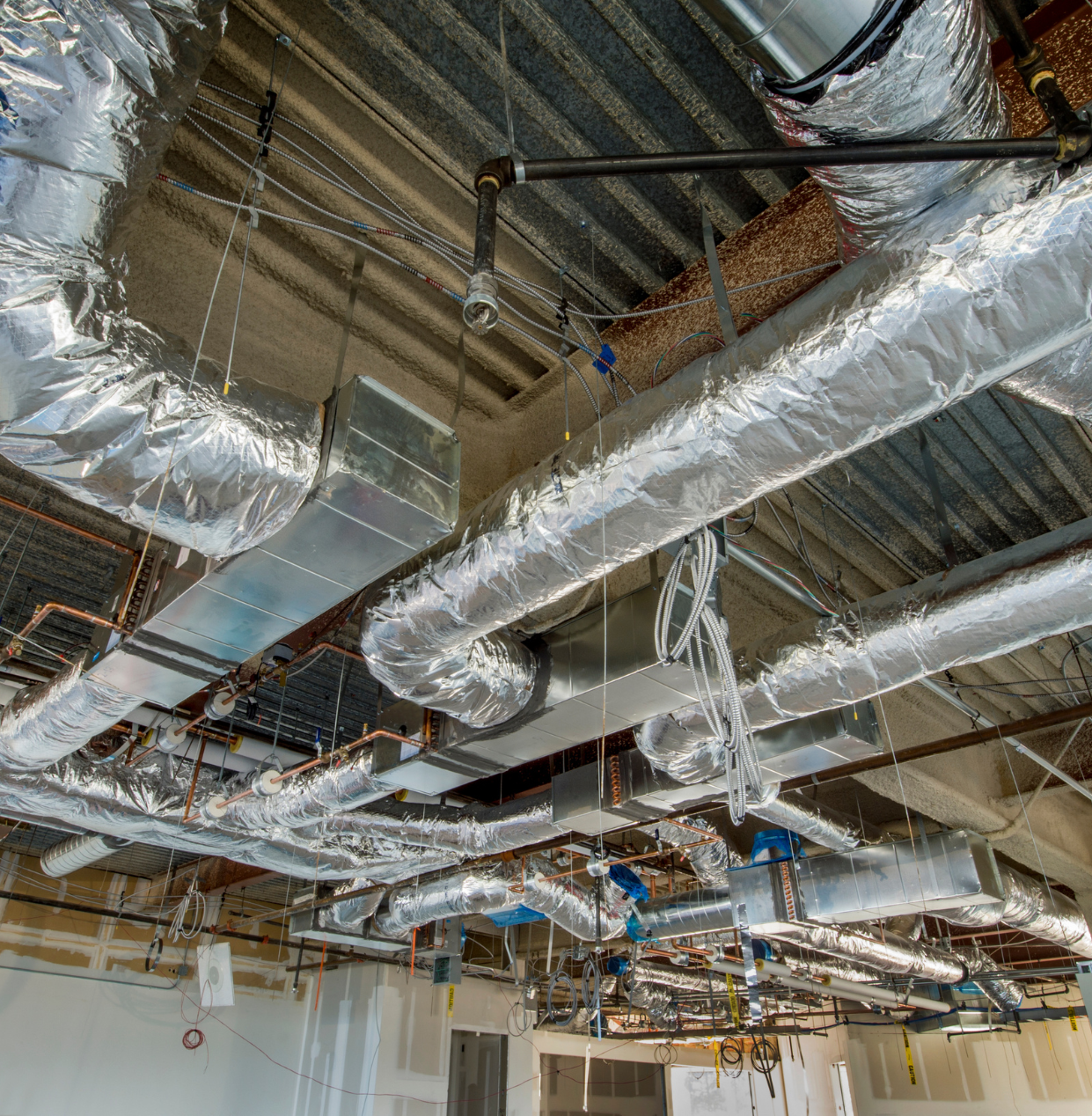
In practice, one of the most effective maintenance habits is filter discipline. If your filter is too restrictive or left too long, airflow drops. Reduced airflow can cause coil icing and compressor stress. Those issues can show up as “it barely cools” and become “it shuts down” if it is bad enough.
If you have allergies, pets, or live with heavy outdoor pollen and debris, you may need to adjust filter change frequency. The technician should help you choose a filter that balances air quality and airflow needs.
Special Kansas City realities that affect diagnosis
Kansas City weather can be rough on HVAC systems in ways that show up as comfort complaints and failure patterns.
Humidity is a big one. High humidity increases condensation load, and it can expose issues with drainage, airflow balance, and coil cleanliness. When airflow is restricted, the indoor coil can get too cold and freeze. When drainage fails, water can cause other problems and lead to degraded comfort even if the unit runs.
Debris also matters. Outdoor units sit in the path of wind-blown leaves, cottonwood fluff in spring, and summer yard activity. A clogged outdoor coil can reduce heat rejection efficiency. When that happens, refrigerant pressures and temperatures become abnormal enough that the system may cycle or struggle.
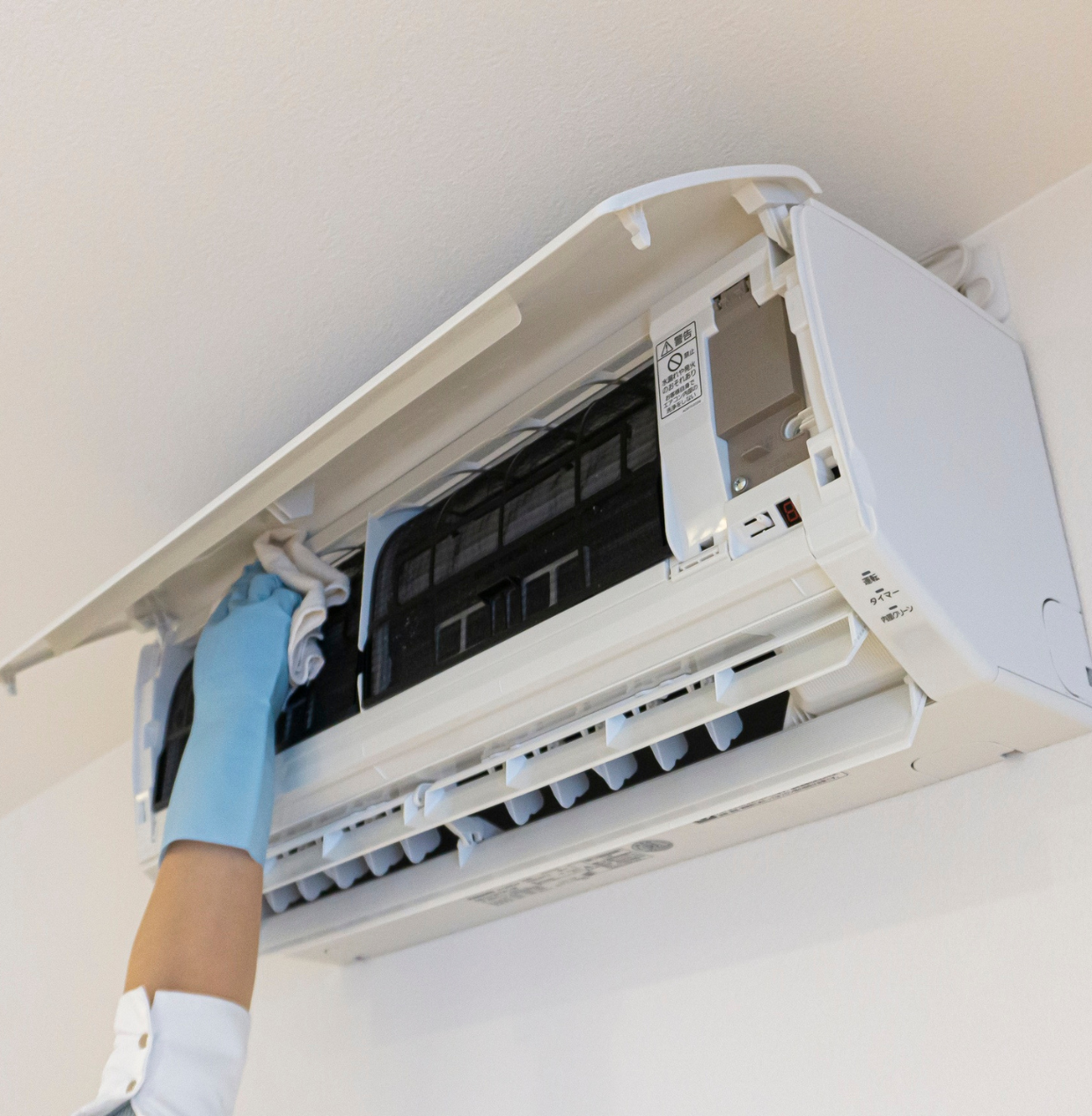
Power fluctuations are AC installation in Kansas City another factor. Kansas City has storms, and while modern systems have protections, a weak electrical environment can trigger intermittent failures, especially those related to capacitors, contactors, and control boards. That is why technicians often ask whether you had a recent outage or breaker trip.
A quick reality check on DIY troubleshooting
It can be tempting to troubleshoot yourself, especially if you have tools or you have watched videos. There are safe things you can do, like replacing a filter, checking for obvious airflow restrictions, and ensuring the thermostat is set correctly.
But I recommend staying out of refrigerant handling, opening sealed electrical components without proper training, or trying to bypass safety devices. Even when the issue seems small, the risks include damaging the system further, creating an electrical hazard, or turning a repair into a bigger repair.
If your system is blowing warm air and you do not hear the outdoor unit engage, that points to controls or electrical paths. Getting into that area blindly can be risky and can also make it harder for the technician to diagnose.
What “good” service feels like after the repair
You will know you hired the right technician not just because the AC runs again, but because the system runs predictably.
After a solid AC repair, you typically notice stable cooling, fewer unexpected cycles, and no return of the same symptom within days. Airflow should feel correct at the vents, and the indoor unit should not develop new icing patterns. The outdoor unit should run in a way that matches the thermostat demand, without repeated starts and stops that feel like the system is struggling.
If the technician documented findings, like measured temperatures, observed airflow, or electrical tests, ask for a summary. You do not need a textbook report, but you do deserve transparency. A repair is a claim, and you should understand what was repaired and why.
When the symptoms point to thermostat or airflow problems
It is worth calling out two common “non-obvious” causes that create confusion.
First, thermostat issues. Some thermostats misread temperature due to placement in direct sun, drafts, or proximity to heat sources. Others have settings that affect staging, fan behavior, or humidity control. If your system was cooling fine and the problem started after someone changed the thermostat settings, that is a huge clue. A technician should verify thermostat function rather than assume the AC itself is the problem.
Second, airflow issues. Duct leaks, blocked returns, closed registers, and wrong filter sizes can cause underperformance that looks like refrigerant trouble. If the return air path is blocked or the system is not pulling enough air across the evaporator coil, it will struggle. That can lead to icing, warm air, and compressor stress.
Because of that, a technician who only checks the outdoor unit without evaluating indoor airflow may miss the root cause. That is one reason homeowners sometimes feel like they are paying for repairs that never really “stick.”
A balanced way to think about cost
Cost is never just about the part or the labor. It is also about risk, time, and likelihood of repeat problems.
If a technician is offering a cheap repair but cannot explain the diagnosis, you are likely buying uncertainty. If a technician costs more but arrives prepared with test equipment, checks airflow, verifies electrical and control behavior, and explains what needs attention, you are buying a higher probability of a durable fix.
That is not a guarantee. Even good technicians encounter complex systems and sometimes have to retest after initial findings. But strong diagnostic discipline reduces that chance.
If you get multiple estimates, ask each contractor what they plan to test first and what symptoms those tests target. The answers tell you whether they approach the job as problem solving or as guess-and-replace.
Keeping your system comfortable until the appointment
Sometimes you have to wait a day or two. If your AC is partially functional, your goal is to maintain comfort without causing additional damage.
If the system is running and cooling unevenly, consider using “fan” mode carefully and avoid constant cycling if the outdoor unit seems unstable. If you notice any frost forming, treat that as a sign to stop pushing the system. If the thermostat seems stuck or error codes repeat, avoid repeatedly resetting it, because that can obscure the pattern.
If you need help deciding whether to run or shut down until the technician arrives, that is a normal question to ask when you call.
What to say if you suspect a refrigerant or compressor issue
Homeowners often ask, “Do you think I’m low on refrigerant?” It is understandable, but it can turn into a trap. Without proper measurements, it is guesswork.
Instead, describe what you observed: sweating at the indoor coil area, ice formation, compressor not starting, intermittent operation, or reduced cooling performance compared to before. A technician can then check pressures, temperature splits, airflow, and check for signs consistent with a refrigerant-related problem.
If a contractor recommends a recharge or a leak search, ask what evidence they found. A leak search should not be a vague promise. You should understand whether they are finding a likely leak point, if they are checking for airflow restrictions first, and how they plan to verify the repair outcome.
Bringing it all together: calling the right technician starts with your symptoms
When you are looking for AC repair in Kansas City MO, the process is not just about finding a company that can come out. It is about finding someone who can connect the symptoms in your home to the correct diagnostic path.
Your observations matter, and so does how the technician responds to them. The best HVAC repair in Kansas City MO experiences feel organized, calm, and direct. The technician listens, asks the right questions, tests what matters, and explains the choices without turning every call into a sales pitch for a new system.
If you are dealing with a complete breakdown, repeated cycling, strange sounds, icing, or stubborn comfort problems, take a breath and gather details first. Then contact a trusted HVAC contractor in Kansas City MO that can handle both repairs and long-term decisions, including AC maintenance in Kansas City and, when necessary, AC installation in Kansas City.
Your goal is simple: cool air that stays cool, humidity that behaves, and fewer surprises through the hottest weeks. The right technician is the one who helps you get there with the diagnosis that matches what your system is actually doing.
All 4 One Heating & Cooling
5828 Woodland Ave, Kansas City, MO 64110, United States
816-699-8366
[email protected]
Website: https://all4onekc.com/